Pros and Cons of Driving an Electric Car in India
Discover the advantages and disadvantages of owning an electric car in India, including cost savings, charging infrastructure, range, and maintenance.
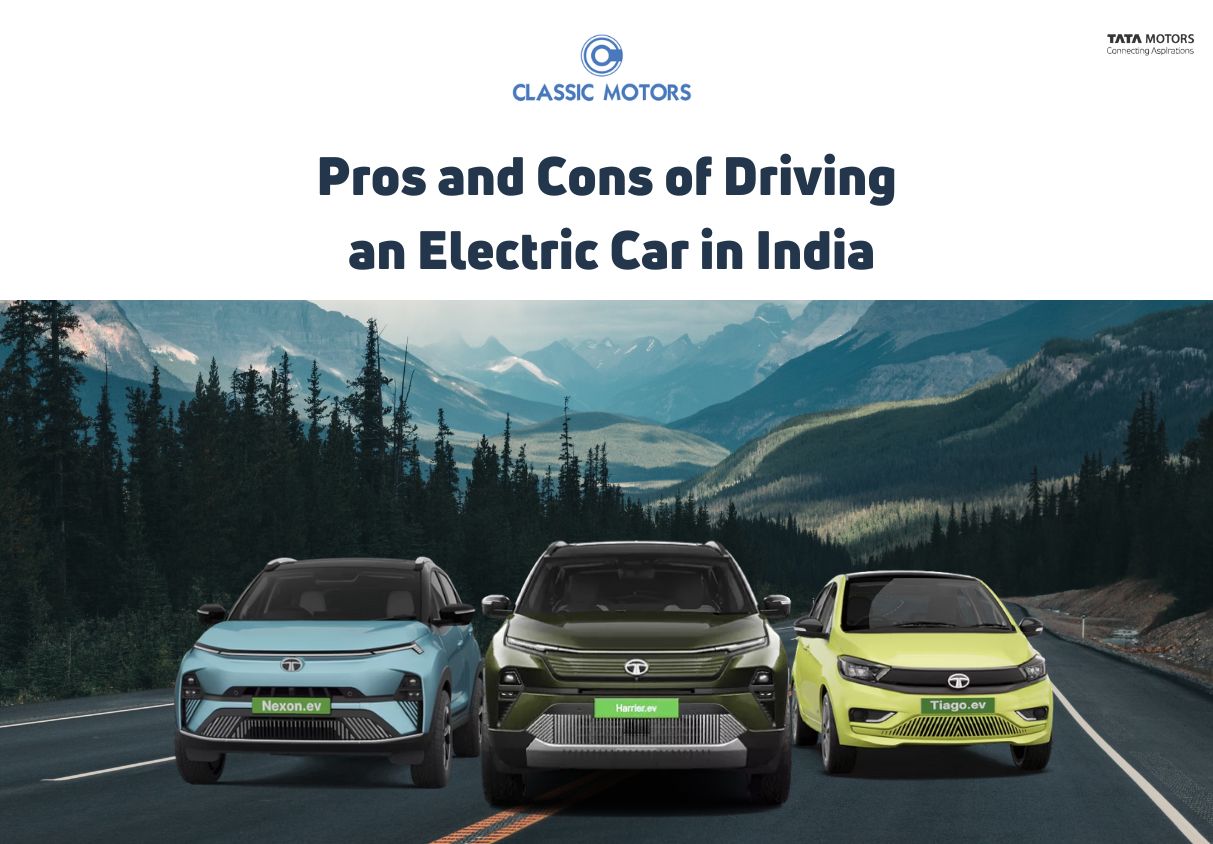
Electric cars are becoming increasingly common on Indian roads. Improved battery technology, expanding charging infrastructure, and government support have encouraged more people to consider electric mobility. Before making a purchase, it is useful to understand the Pros and cons of electric cars based on daily usage, ownership costs, and infrastructure.
Benefits of Electric Vehicles
One of the main Benefits of electric vehicles is their lower operating cost. Electricity is generally less expensive than petrol or diesel on a per-kilometre basis, making the Electric car running cost lower for many users, especially those with regular daily commutes.
Electric vehicles also produce zero tailpipe emissions during operation. This helps reduce local air pollution and supports cleaner urban transportation.
Another advantage is the quiet driving experience. Electric motors generate less noise than conventional internal combustion engines, contributing to a smoother drive in city traffic.
Many electric cars also include regenerative braking, which helps recover energy while slowing down. This improves overall efficiency and reduces brake wear over time.
Electric Vehicle Maintenance Cost
The Electric vehicle maintenance cost is generally lower than that of conventional fuel-powered vehicles because electric cars have fewer moving parts. They do not require engine oil changes, fuel filters, or many of the routine maintenance procedures associated with internal combustion engines.
However, regular maintenance is still necessary. Tyres, brakes, suspension components, air conditioning systems, and battery health checks remain important to ensure reliable performance. Following the manufacturer's recommended service schedule helps maintain the vehicle over the long term.
EV Charging Stations in India
The availability of EV charging stations in India has improved significantly in recent years. Charging networks continue to expand across highways, major cities, shopping centres, office complexes, and residential communities.
Home charging remains the primary charging method for many owners, particularly those with dedicated parking spaces. Public charging infrastructure is growing, although charging availability may still vary depending on the location.
Planning longer journeys may require checking charging locations in advance to ensure convenient access during travel.
Pros and cons of electric cars
Like any vehicle, electric cars have both advantages and practical considerations.
Pros:
- Lower daily running costs.
- Reduced maintenance requirements.
- Zero tailpipe emissions.
- Quiet and smooth driving experience.
- Convenient home charging for many users.
Cons:
- Charging infrastructure may be limited in some areas.
- Charging takes longer than refuelling with petrol or diesel.
- Long-distance travel may require charging route planning.
- Initial purchase prices may be higher for some models.
Understanding these factors helps buyers determine whether an electric vehicle suits their driving habits and daily requirements.
Choosing the Right Electric Vehicle
Several manufacturers now offer electric vehicles in different body styles and price segments. A TATA Car’s electric range includes models designed for city driving as well as longer-distance travel. Buyers interested in exploring available models can visit Classic Motors, including the TATA showroom in Alwar or the TATA showroom in Bhiwadi, to learn about current variants, features, and charging support available for each model.
Conclusion
Understanding the Pros and cons of electric cars helps buyers make informed decisions based on their driving needs, charging access, and ownership costs. Factors such as the Benefits of electric vehicles, Electric vehicle maintenance cost, Electric car running cost, and the availability of EV charging stations in India should all be considered before purchasing an electric vehicle. Evaluating these aspects carefully allows buyers to select a vehicle that best matches their daily usage and long-term requirements.